
Exploring the mechanics of luck in modern gambling game design
The Concept of Luck in Gambling
Luck is a fundamental aspect of gambling that has fascinated players and designers alike. In games of chance, the outcome relies heavily on random events, making luck an essential component that can lead to both exhilaration and frustration. For players, the thrill often lies in the unpredictability of results, with the hope that fortune will favor them. This psychological aspect plays a critical role in attracting individuals to gambling platforms, where the allure of winning big is always present. At platforms like http://slotobitcasino.co.uk, players can dive into various gaming experiences that capitalize on this excitement.
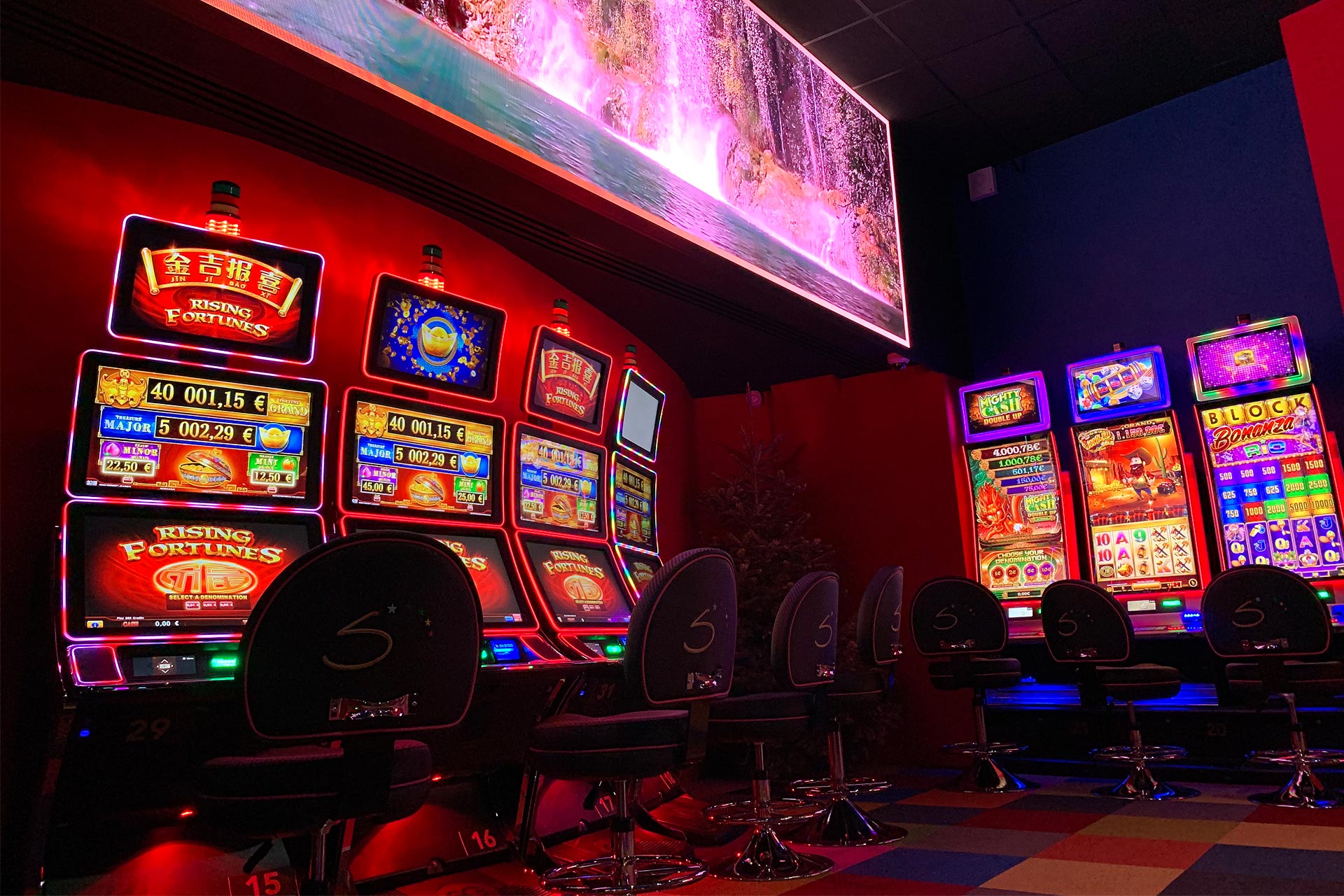
Modern gambling game design utilizes various mechanisms to simulate the feeling of luck. For instance, random number generators (RNGs) are employed to ensure that results remain unpredictable and fair. These algorithms create an environment where players feel that every spin, roll, or draw is an opportunity for success. Understanding how luck is integrated into game design allows developers to create immersive experiences that can keep players engaged and coming back for more.
Moreover, the perception of luck varies among different players. Some may believe that their actions can influence outcomes through strategies or rituals, while others may see luck as entirely random. Game designers often leverage these beliefs to enhance the gaming experience, incorporating elements that can amplify the feeling of luck, such as bonus rounds, jackpots, and special symbols. By fostering a connection to luck, games can increase player retention and satisfaction.
The Role of Randomness in Game Design
Randomness is the backbone of gambling game design, directly impacting how players perceive and interact with games. By utilizing randomness, designers can create unique experiences in each session, ensuring that no two games are identical. This unpredictability is crucial for maintaining excitement and interest. Furthermore, randomness helps level the playing field, where both novice and experienced players have an equal chance of winning, thus attracting a broader audience.
Incorporating randomness can be achieved through various techniques, such as shuffling cards in table games or spinning reels in slot machines. These elements are often combined with different probabilities to create games that are both entertaining and rewarding. Understanding how to balance randomness and reward is vital for designers; too much unpredictability can lead to player frustration, while too little can make the game seem stale and uninspiring.
Additionally, modern technology has enabled advanced randomization methods, enhancing player experiences. For instance, many online casinos utilize sophisticated RNGs that ensure fairness and unpredictability. These systems are regularly audited to maintain integrity, helping players feel more confident in their gaming experiences. The relationship between randomness and player satisfaction is crucial, as it shapes how players engage with games and perceive their chances of winning.
Psychological Aspects of Luck and Gambling
The psychological implications of luck in gambling are profound and multifaceted. Players often attribute their wins or losses to luck, which can shape their future gambling behaviors. The belief in luck can influence how players approach their game choices, whether they feel compelled to continue playing after a loss or become overly confident after a win. This psychology not only impacts individual decisions but also affects the overall gambling environment, contributing to the dynamics of play.
Game designers often exploit these psychological tendencies by creating features that enhance the sensation of luck. For instance, celebratory animations and sound effects during wins can amplify the feeling of good fortune, reinforcing positive experiences. Conversely, losses may be softened through encouraging messages or opportunities for redemption, keeping players engaged and optimistic. Understanding these psychological factors is essential for crafting games that resonate with players on an emotional level.
Furthermore, social influences can also play a significant role in how luck is perceived in gambling. The rise of live dealer games and social gaming platforms fosters a sense of community among players, where they can share experiences and strategies. This social interaction can enhance the feeling of luck, as players often feel more confident when surrounded by others. By considering these psychological and social dimensions, game designers can create more effective and enjoyable gambling experiences.
Strategies to Enhance Luck Perception
Designing games that enhance the perception of luck involves thoughtful strategies that engage players more deeply. Incorporating visual elements such as vibrant graphics and stimulating animations can create a captivating atmosphere that makes players feel lucky. For example, progressive jackpots can visually showcase the potential for massive wins, enticing players to participate with the belief that they might strike it rich. These strategies can help sustain player engagement over extended periods.
Another effective strategy is the use of bonus features and rewards. By offering free spins, multipliers, or special symbols, game designers can provide players with opportunities to win without additional risk. These enhancements not only increase the excitement of the game but also reinforce the belief that luck is on the player’s side. Such strategies keep players motivated and create a more dynamic gaming experience.
Additionally, understanding the timing of wins and losses can shape the perceived experience of luck. Designers can implement mechanics where players experience smaller wins frequently, creating a sense of momentum and encouragement. This practice can help maintain player interest and satisfaction, as they feel that their chances of winning are consistently present. By effectively manipulating these elements, designers can create a gaming environment where luck becomes an exhilarating and central theme.

Slotobit Casino: A Case Study in Modern Game Design
Slotobit Casino exemplifies how modern gambling platforms utilize the mechanics of luck to enhance player experience. With an extensive collection of games ranging from slots to table games, Slotobit integrates randomness and psychological strategies to create an engaging environment. Each game is meticulously designed to maintain the delicate balance between unpredictability and player satisfaction, ensuring that participants remain excited about their gaming experience.
The casino’s use of advanced technology, including secure RNG systems, ensures fairness in all gaming activities, allowing players to feel confident in their chances of winning. Regular promotions and bonuses create additional opportunities for players to experience luck in action, reinforcing their engagement with the platform. By prioritizing user experience and security, Slotobit Casino positions itself as a leader in the online gambling industry.
In conclusion, the mechanics of luck play a vital role in modern gambling game design. From randomness and psychological aspects to effective strategies that enhance player perception, understanding these elements is crucial for both designers and players. Slotobit Casino embodies these principles, providing an immersive and rewarding gaming environment that keeps players coming back for more.